How Steel Detailing Services Improve Efficiency in Construction Projects
1. Introduction
Construction projects rely heavily on precision, coordination, and well-structured execution to achieve successful outcomes. Every stage, from design to fabrication and final erection, demands accurate information and seamless communication between multiple stakeholders. Even minor discrepancies in drawings or specifications can lead to delays, increased costs, and rework on-site.
Steel detailing services play a crucial role in bridging the gap between design concepts and actual construction. By providing detailed and accurate drawings, these services ensure that every structural component is clearly defined before the fabrication process begins. This level of clarity not only improves workflow efficiency but also minimizes risks throughout the project lifecycle.
As construction projects continue to grow in scale and complexity, the importance of reliable and precise detailing becomes increasingly evident. Steel detailing services play a crucial role in facilitating smoother operations, enhanced coordination, and improved overall project efficiency.
2. Understanding Steel Detailing Services
Steel detailing services involve preparing precise drawings and documentation required for the fabrication and erection of steel structures. These drawings provide detailed information about dimensions, materials, connections, and assembly instructions.
Types of Steel Detailing Drawings
Shop Drawings: These are detailed diagrams used by fabricators to manufacture steel components accurately. Steel Detailing Shop Drawings Services ensure that each element is produced according to exact specifications.
Fabrication Drawings: These drawings guide the cutting, welding, and assembly of steel parts in the workshop. Steel Fabrication Detailing Services help streamline manufacturing processes.
Erection Drawings: These provide instructions for assembling steel components on-site, ensuring proper alignment and installation.
Role of Steel Detailers
Steel detailers act as a critical link between architects, structural engineers, and fabricators. They interpret design concepts and convert them into actionable plans that can be executed without ambiguity.
Tools and Technologies
Modern detailing relies heavily on advanced software such as Tekla Structures and AutoCAD. Tekla Steel Detailing Services, in particular, are widely recognized for their ability to create highly accurate 3D models and detailed drawings. Additionally, Structural BIM Detailing Services enable better visualization and coordination across all project stakeholders.
3. The Role of Steel Detailing in Construction Efficiency
Efficiency in construction depends on clarity, coordination, and accuracy. Steel detailing addresses all three by providing a clear roadmap for fabrication and installation.
Without proper detailing, construction teams often face confusion, miscommunication, and costly errors. However, with well-prepared drawings and models, every stakeholder knows exactly what needs to be done, reducing uncertainty and improving workflow efficiency.
Steel detailing ensures:
Accurate measurements and material specifications
Seamless communication between teams
Reduced the chances of errors during fabrication and erection
4. Key Ways Steel Detailing Services Improve Efficiency
4.1 Enhanced Accuracy and Reduced Errors
One of the most significant benefits of steel detailing is the level of precision it brings to construction projects. Detailed drawings eliminate guesswork, ensuring that every component is fabricated correctly.
By using advanced tools and techniques, Detailing Engineering Services helps identify potential issues before construction begins. This proactive approach minimizes errors, reduces rework, and prevents material wastage.
4.2 Faster Project Turnaround
Time is a critical factor in construction. Delays can lead to increased costs and missed deadlines. Steel detailing accelerates project timelines by enabling efficient planning and execution.
With pre-defined fabrication details, manufacturers can produce components quickly and accurately. Similarly, clear erection drawings allow on-site teams to assemble structures without delays.
4.3 Improved Coordination and Collaboration
Construction projects involve multiple stakeholders, including architects, engineers, contractors, and fabricators. Effective coordination among these parties is essential for project success.
Structural BIM Detailing Services play a crucial role in improving collaboration. By creating a shared 3D model, all stakeholders can visualize the project and identify potential clashes between different systems.
This integrated approach ensures:
Better communication
Reduced conflicts
Smoother project execution
4.4 Cost Efficiency and Budget Control
Cost overruns are a common challenge in construction projects. Steel detailing helps control costs by providing accurate material estimates and reducing waste.
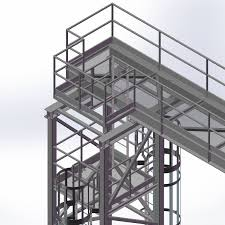
Rebar Detailing Services, for example, ensure precise placement and quantity of reinforcement, minimizing excess usage. Similarly, Miscellaneous Steel Detailing Services cover smaller structural elements, ensuring no component is overlooked.
By reducing errors and optimizing resource utilization, steel detailing contributes to significant cost savings.
4.5 Optimized Fabrication and Installation
Clear and detailed drawings enable fabricators to produce components efficiently. Steel Fabrication Detailing Services provide step-by-step instructions, ensuring consistency and quality in manufacturing.
On-site, erection drawings guide workers in assembling components quickly and accurately. This reduces installation time and enhances overall productivity.

Technology has revolutionized the way steel detailing is performed. Modern tools offer advanced capabilities that significantly improve efficiency.
Building Information Modeling (BIM)
Structural BIM Detailing Services allow for the creation of intelligent 3D models that integrate all aspects of a project. These models provide real-time insights, enabling better decision-making.
3D Visualization
3D models help stakeholders visualize the final structure, making it easier to identify potential issues and make necessary adjustments.
Automation
Automation tools streamline repetitive tasks, reducing manual effort and improving accuracy.
Real-Time Collaboration
Cloud-based platforms enable teams to collaborate in real time, ensuring that everyone has access to the latest information.
6. Real-World Applications of Steel Detailing Services
Steel detailing services are used across various types of construction projects, including:
Commercial Buildings
High-rise buildings and office complexes rely on precise detailing for structural stability and efficiency.
Industrial Structures
Factories, warehouses, and manufacturing facilities require detailed steel frameworks for safe and efficient operations.
Infrastructure Projects
Bridges, airports, and transportation systems depend on accurate detailing for durability and performance.
Residential Developments
Modern residential projects use steel detailing to ensure structural integrity and efficient construction.
7. Challenges Without Proper Steel Detailing
Skipping or underestimating the importance of steel detailing can lead to several challenges:
Design Errors: Lack of detailed drawings increases the risk of mistakes.
Miscommunication: Teams may interpret designs differently, leading to inconsistencies.
Project Delays: Errors and rework can significantly extend timelines.
Cost Overruns: Inefficient resource utilization leads to increased expenses.
Safety Risks: Improperly detailed structures can compromise safety on-site.
8. Choosing the Right Steel Detailing Service Provider
Selecting the right service provider is crucial for achieving optimal results. A reliable Steel Detailing Company should offer:
Experience and Expertise
Look for a team with a proven track record in handling diverse projects.
Software Proficiency
Ensure they are skilled in advanced tools like Tekla and BIM platforms.
Quality Assurance
Accurate and error-free drawings are essential for project success.
Timely Delivery
Meeting deadlines is critical in construction projects.
Cost-Effectiveness
Choose a provider that offers high-quality services at competitive rates.
Outsourcing detailing services can also be a strategic decision, allowing companies to scale operations and reduce overhead costs.
9. Future Trends in Steel Detailing Services
The future of steel detailing is driven by innovation and technology. Some emerging trends include:
Digital Twins
Creating digital replicas of physical structures for better monitoring and maintenance.
Artificial Intelligence
AI-powered tools are enhancing accuracy and efficiency in detailing processes.
Cloud-Based Workflows
Improving collaboration and accessibility across global teams.
Sustainable Construction
Optimizing material usage and reducing environmental impact through precise detailing.
10. Conclusion
Steel detailing services are a cornerstone of efficient construction projects. By providing accurate drawings, improving coordination, and using advanced technologies, these services ensure that projects are completed on time and within budget.
From minimizing errors to enhancing collaboration, steel detailing plays a vital role in modern construction. As the industry continues to evolve, the importance of precise and reliable detailing will only grow.
Investing in professional steel detailing services is not just a smart choice; it’s a necessity for achieving long-term success in construction projects.
FAQs
1. What are steel detailing services?
Steel detailing services involve creating detailed drawings and plans for the fabrication and erection of steel structures in construction projects.
2. How do steel detailing services improve efficiency?
They enhance accuracy, reduce errors, improve coordination, and streamline fabrication and installation processes.
3. What software is used in steel detailing?
Common tools include Tekla Structures, AutoCAD, and BIM-based platforms.
4. What is the role of BIM in steel detailing?
BIM enables 3D modeling, clash detection, and real-time collaboration, improving overall project efficiency.
5. Why are shop drawings important?
Shop drawings provide detailed instructions for fabricators, ensuring accurate production of steel components.
6. What industries use steel detailing services?
Steel detailing is used in commercial, industrial, infrastructure, and residential construction projects.
7. Can steel detailing reduce construction costs?
Yes, it minimizes errors, reduces material waste, and improves resource utilization, leading to cost savings.
8. What are Rebar Detailing Services?
Rebar Detailing Services focus on detailing reinforcement steel used in concrete structures, ensuring proper placement and strength.
9. What are Miscellaneous Steel Detailing Services?
These services cover smaller structural elements like stairs, railings, and ladders, ensuring complete project detailing.
10. Why should companies outsource steel detailing services?
Outsourcing provides access to skilled professionals, advanced tools, and cost-effective solutions, improving overall project efficiency.


Comments
Post a Comment